About the project
About Kalabhairava 1000 Names
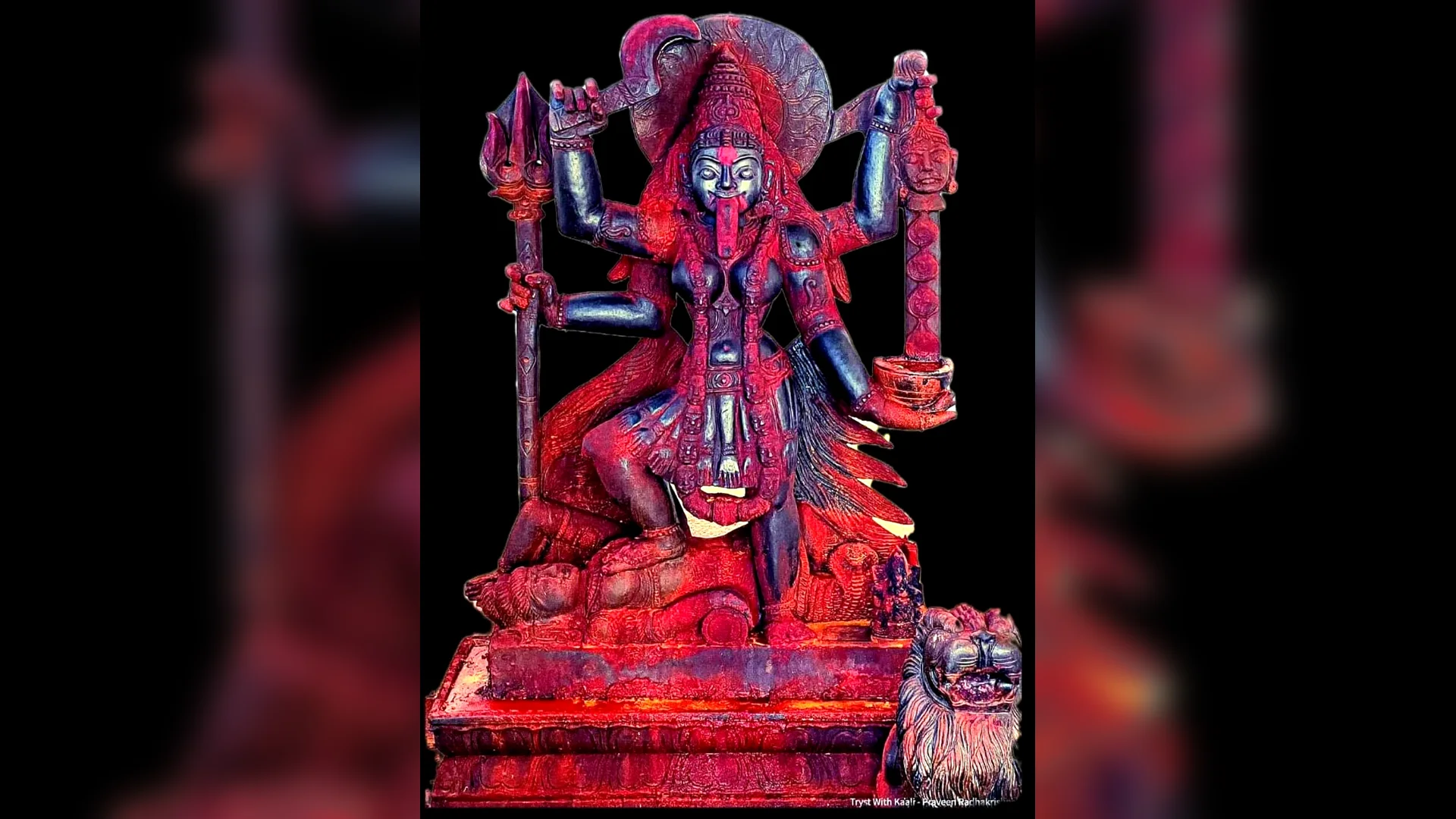
Kalabhairava 1000 Names is a free devotional reference for the Kalabhairava Sahasranama: 1,000 names of Sri Kalabhairava with English meanings, Devanagari spellings, and transliteration. It is maintained by Kaliputra Ashish and offered in the spirit of the Khyapa Parampara.
What this site is
The project exists to support devotional reading and study of the Kalabhairava Sahasranama. It presents the full 1,000-name text with one-line meanings and longer explanatory notes, a searchable reader, a static names hub, individual pages for every name, and printable PDF editions. Everything is offered free, without registration.
The site is intentionally simple and open: it is a static website with no accounts and no paywall, and its source code is public.
Who is Kalabhairava?
Kalabhairava (Kālabhairava) is a fierce and protective form of Lord Shiva, associated with time (kāla), dharma, and the guardianship of sacred space — most famously as the Kotwal of Kashi. For devotees he is both terrifying in form and compassionate in nature: he destroys fear, ego and adharma, and protects those who take refuge in him.
The names in this text are dative salutations (“... namaḥ”), the traditional form for a namavali. Reciting them in sequence is a practice of remembrance and surrender.
How the text was compiled
The names follow the Kalabhairava Sahasranama as compiled for this project. Public reference material and the broader Shaiva devotional tradition informed the explanatory notes. The English meanings and elaborations are interpretive study notes, not a translation of a single critical edition.
The source basis, editorial approach and citation guidance are documented on the sources page.
Transliteration approach
Sanskrit names reach English readers in several romanizations. Each name page shows a common English spelling, the IAST form, the Devanagari form and the source transliteration used by this project. The mapping is generated from the site's data, so corrections are made once and applied across every page.
If a spelling matters for your practice or citation, use the IAST or Devanagari form on the individual name page as the reference.
Open source and corrections
The site is open source. Spelling, meaning, formatting, attribution and source issues can be reported through the public repository, which keeps the correction reviewable. See the contact page for the best ways to reach the maintainer.